
In 1707, Francis Boughton left £400 in trust for the building of a school house and school in or as near Dunchurch Church as may be for the teaching and instructing of the children of Dunchurch in learning and catechising. It was built adjoining the almshouses and church gate, on land granted by the Duke of Montagu. Work began on 20th March 1708 at the cost of £436.
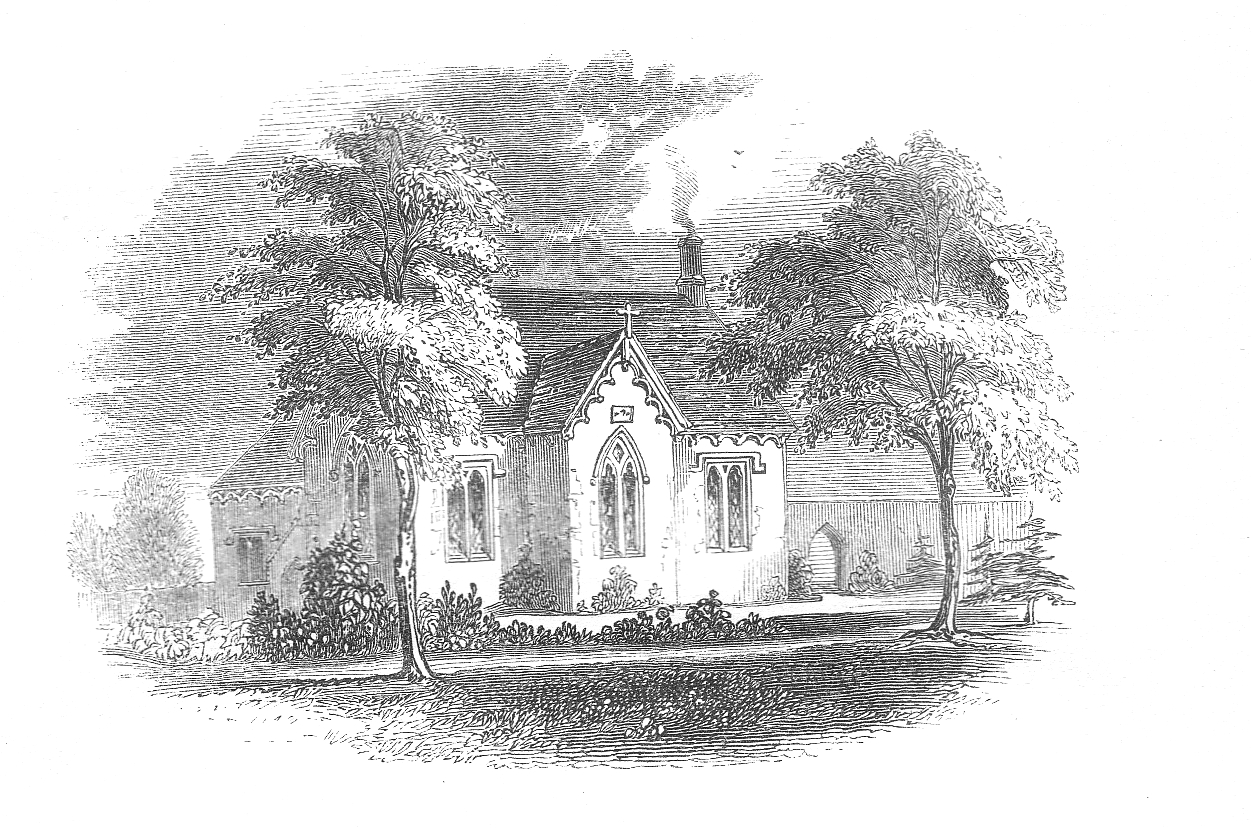
Dunchurch girls' school c.1845.
Taken from Sandford's "Parochialia", p.104. Image supplied by Edward Reid-Smith.
This school was built in 1837, adjoining the churchyard and parsonage, on a site presented by Lord John Scott.
The school was funded by subscription and Lord John Scott being the largest
sunscriber as well as providing the ground. Previous to its erection the girls were instructed on the week-days in the upper part of the boys’ free-school, and on Sunday with the boys in the church.
For more information on John Sandford Click Here
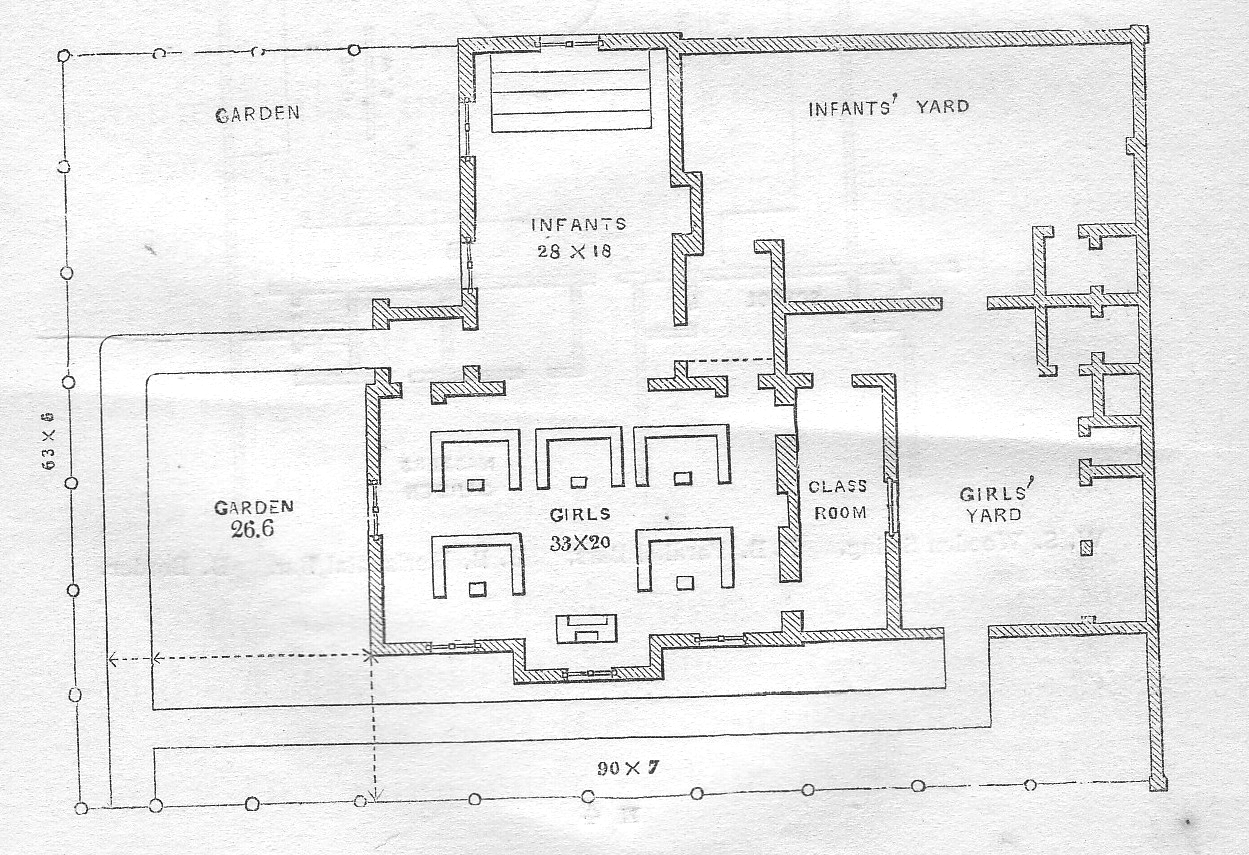
Plan of Dunchurch girls' school c.1845.
The school was known as Dunchurch National School for Girls and
infants.
Taken from Sandford's "Parochialia", p.104. Image supplied by Edward Reid-Smith.
The term “National School” means that it operated under the scheme of the independent National Society for Promoting the Education of the Poor in the Principles of the Established Church (before the Government introduced its own schemes from the 1870 Education Act onwards). The Government made small grants for schools, and the National Society made grants for school buildings. There was an alternative Society for non-conformists.
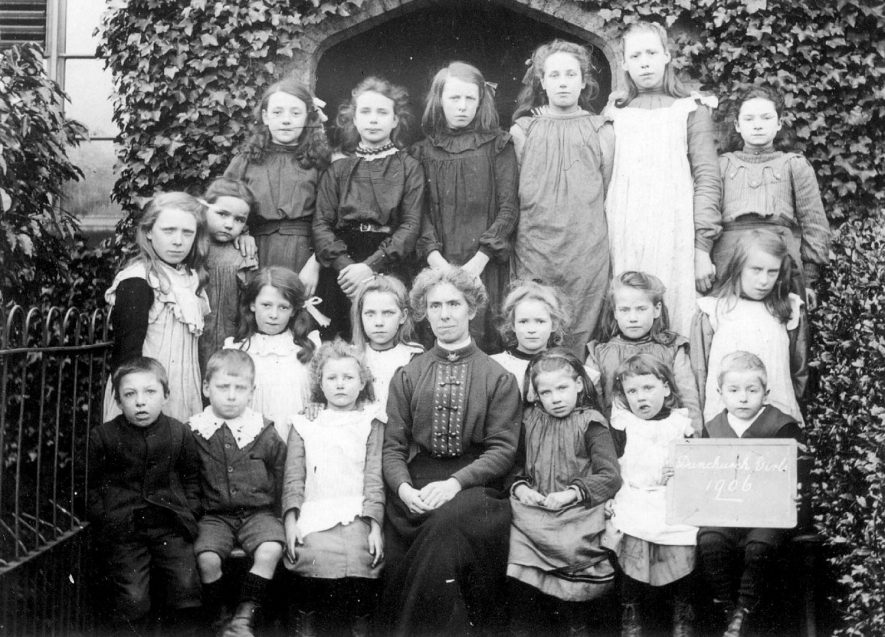
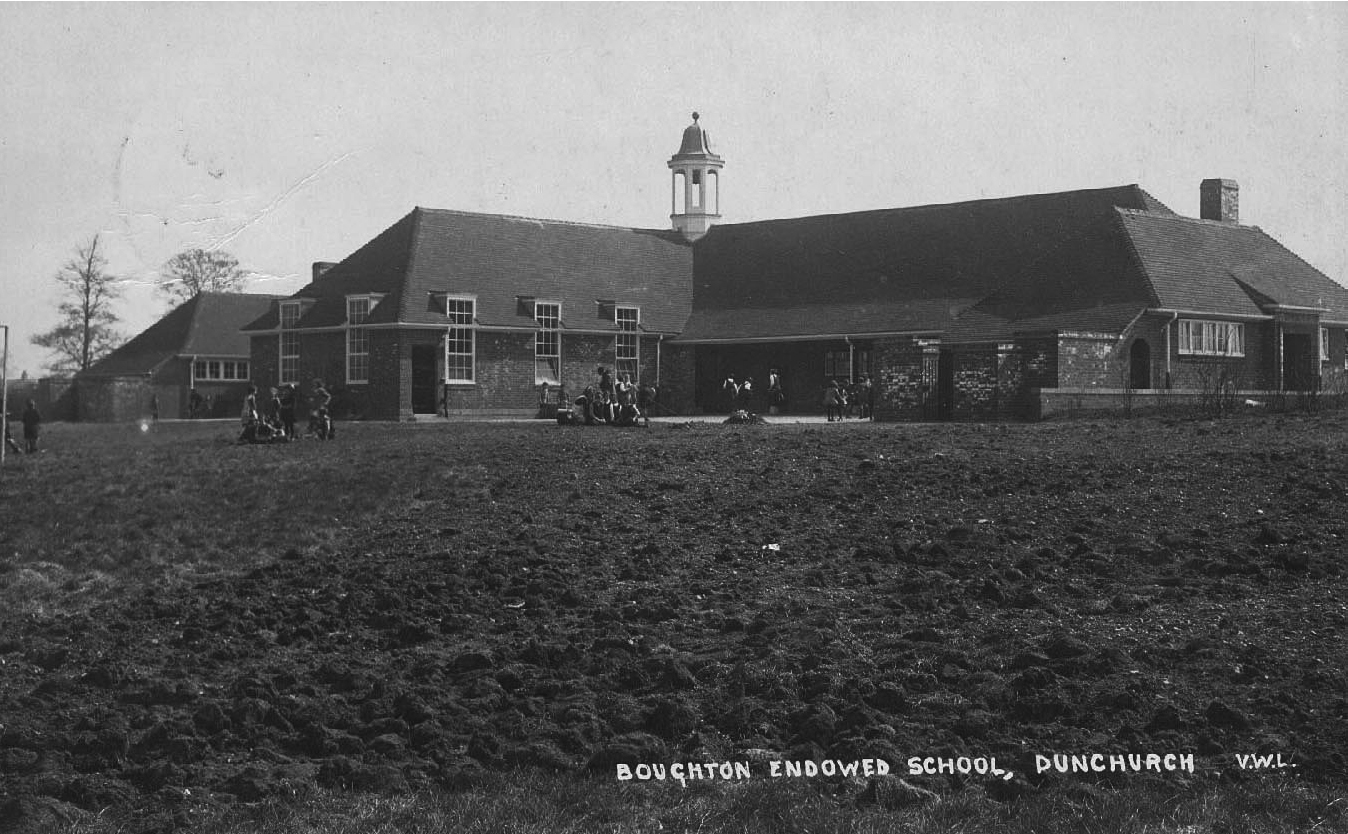
This school was built in 1837, adjoining the churchyard and parsonage, on a site presented by Lord John Scott. Previous to its erection the girls were instructed on the week-days in the upper part of the boys’ free-school, and on Sunday with the boys in the church.
The term “National School” means that it operated under the scheme of the independent National Society for Promoting the Education of the Poor in the Principles of the Established Church (before the Government introduced its own schemes from the 1870 Education Act onwards). The Government made small grants for schools, and the National Society made grants for school buildings. There was an alternative Society for non-conformists.

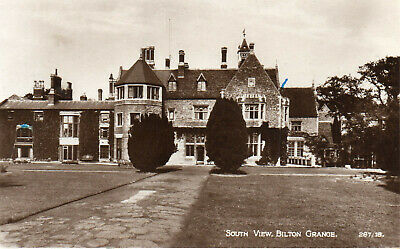
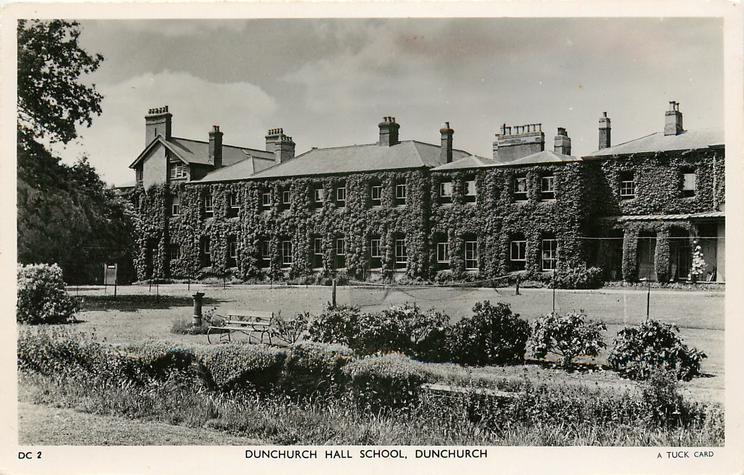
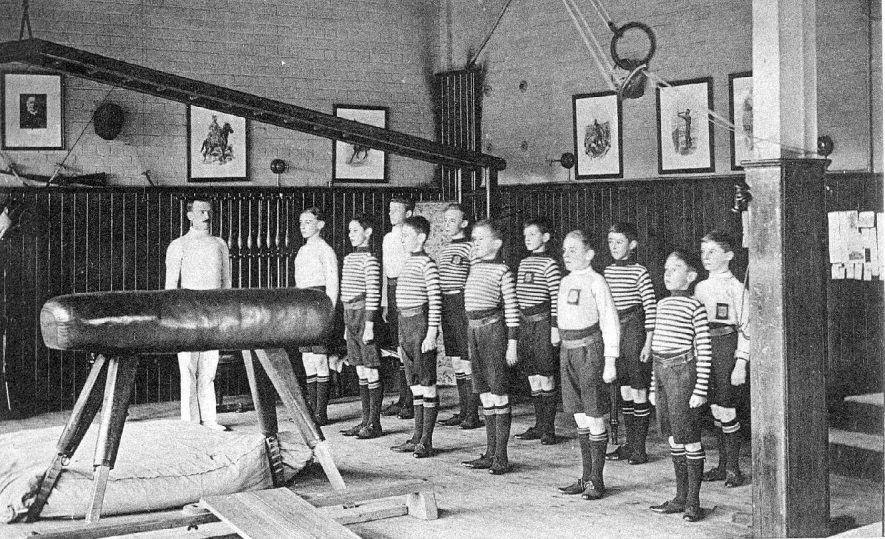
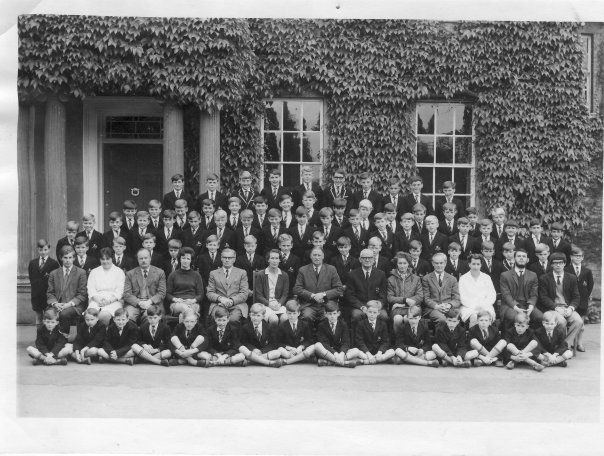
Dunchurch-Winton Hall was a boarding and day Preparatory School for boys and girls from 3 ½ to 13 ½ years. Pupils joined the Main School at 7 ½, while from 3 ½ to 7 ½ they attended the Pre-Preparatory Department which was housed separately in the grounds.
Originally built as a hunting lodge for the Duke of Buccleuch in 1840, the School was an amalgamation in 1940[2] of Dunchurch Hall founded in 1868 and Winton House, founded in 1863 by the botanist and author Charles Alexander Johns. Dunchurch Hall had been on the site since 1883 and is now an English Courtyard development with the original Hall retained as part of the development.
The School prepared pupils for entry to Public Schools as well as for the 12+ entry examination to local state schools.
The School stood in 25 acres of gardens and playing fields in the Warwickshire village of Dunchurch.
The School’s motto was “Carpe Diem”.
Dunchurch-Winton Hall closed on 9 July 1993 and was subsequently sold to English Courtyard who used land from part of the playing fields to build retirement cottages and apartments.
There are memorials to the former pupils of Dunchurch Winton Hall School who
fell during the First and Second World Wars in St Peter's Church, Dunchurch.
(Wikipedia)

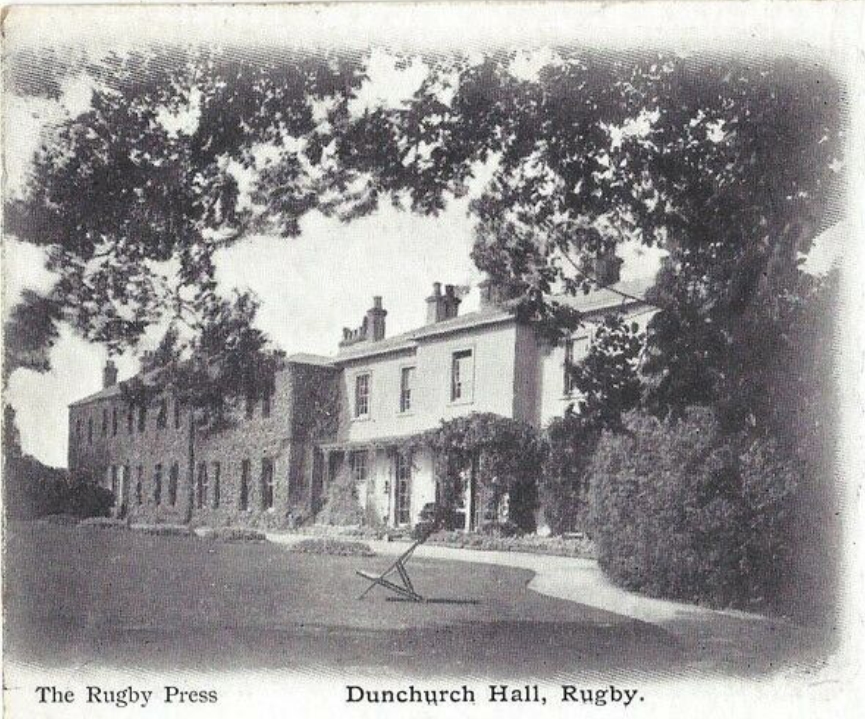
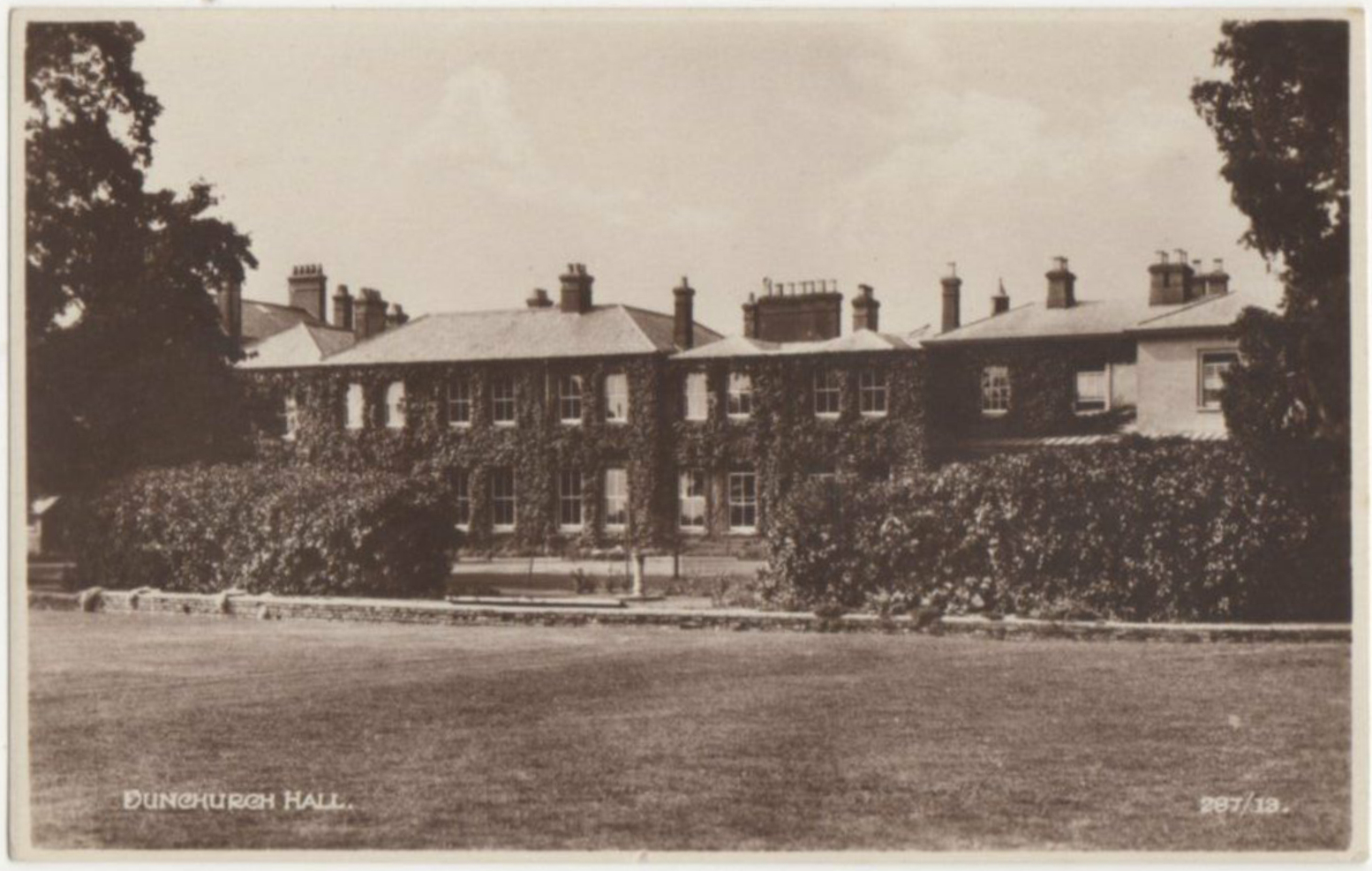
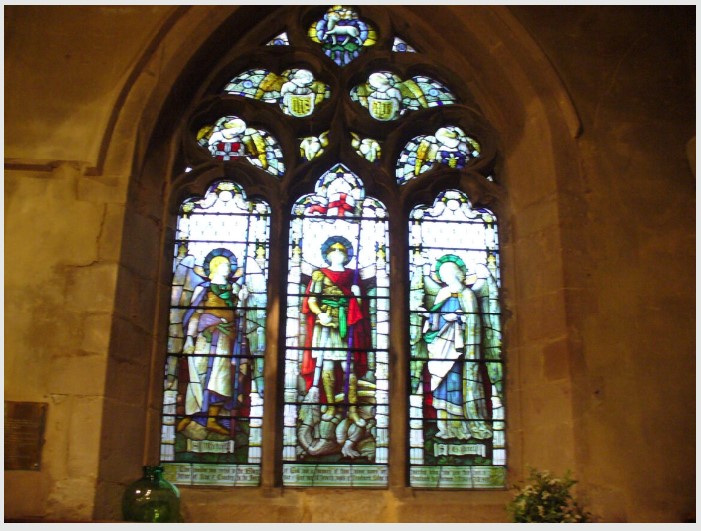
Three-light stained glass window with a figure in each light. St. Michael, St. George and St. Gabriel. Angels look down upon them from the upper tracery lights. Two-line inscription across base of lights.
The inscription reads:
This window was erected to the Glory of God, and in memory of those whose names are inscribed
on the plaque, who gave their lives in / defence of King & Country in the Boer war & Great war, all formerly pupils of Dunchurch Lodge and Dunchurch Hall between AD1868 & AD1900.
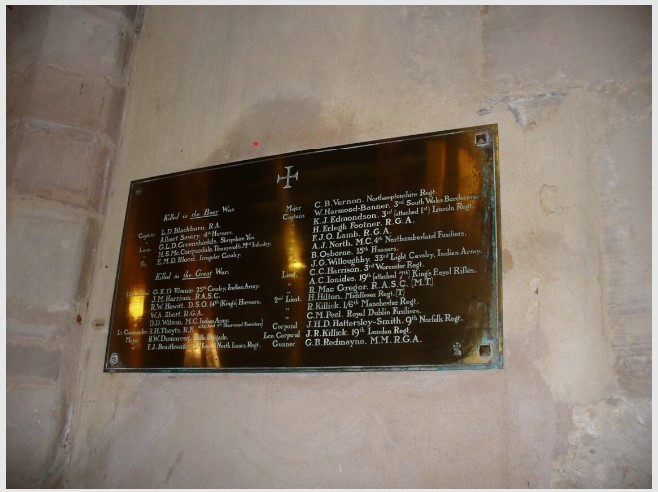
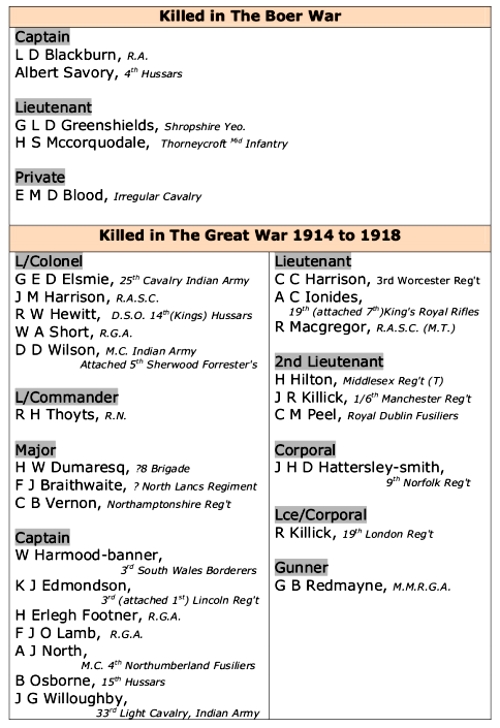
Adjacent to the window is an associated, wall mounted, landscape orientated engraved brass plaque.
Killed in the Boer War.(5 NAMES) / Killed in the Great War. (25 NAMES)
Friends of Dunchurch, a charity formed on 6th September 2018 by like-minded residents who love Dunchurch and its heritage and wish to protect and enhance its environment in order to make the village a better place to live in, work in and visit.
CONTACT US
Email: friendsofdunchurch@gmail.com
Village Green House, The Green, Dunchurch CV22 6NX