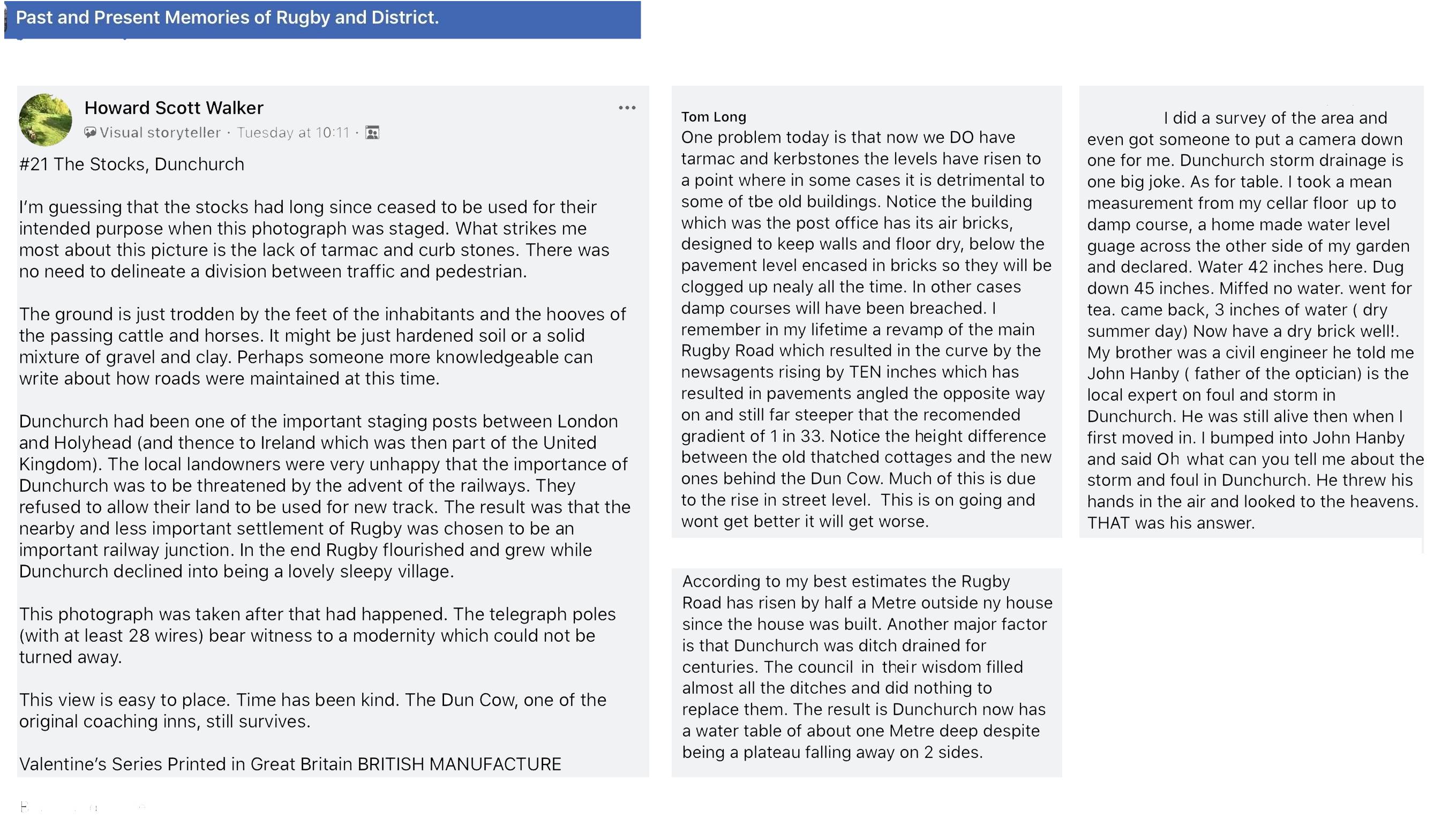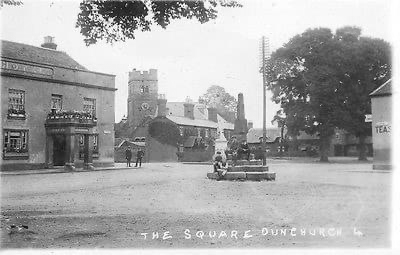
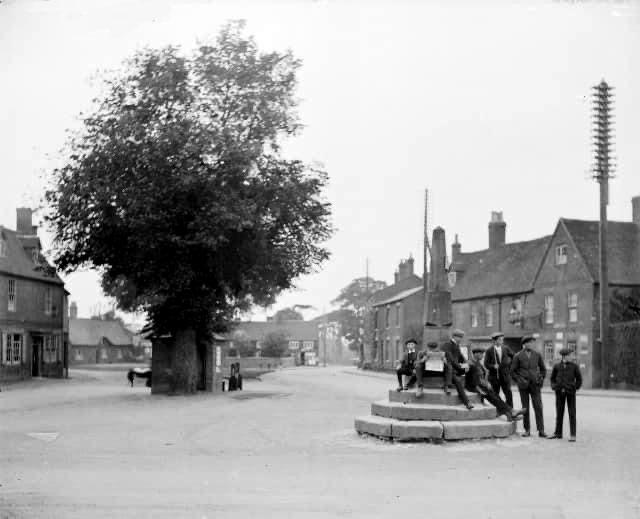

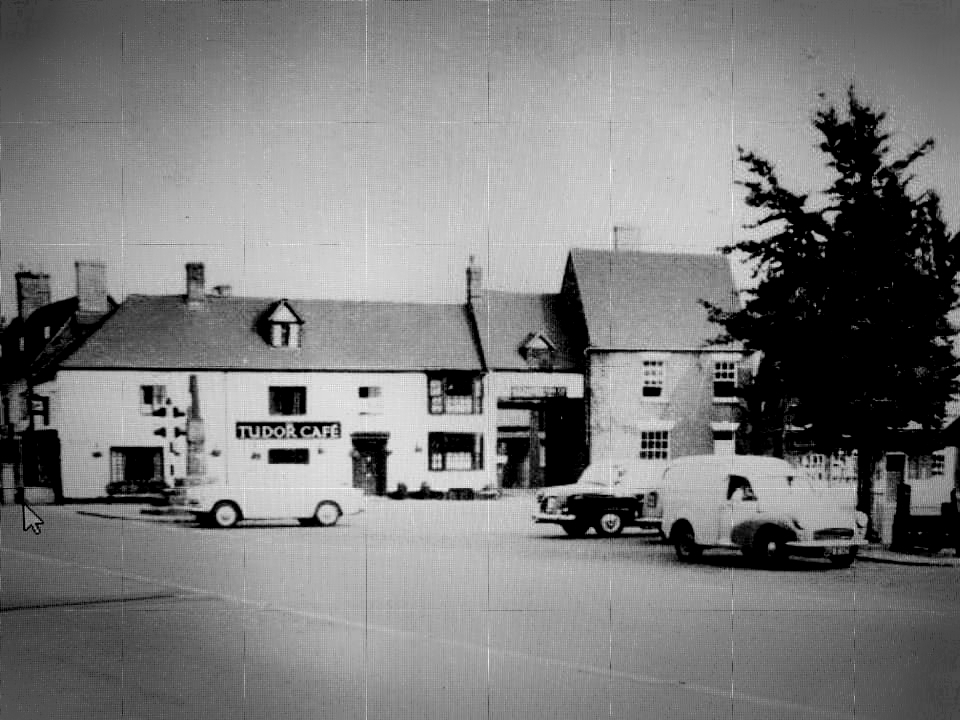

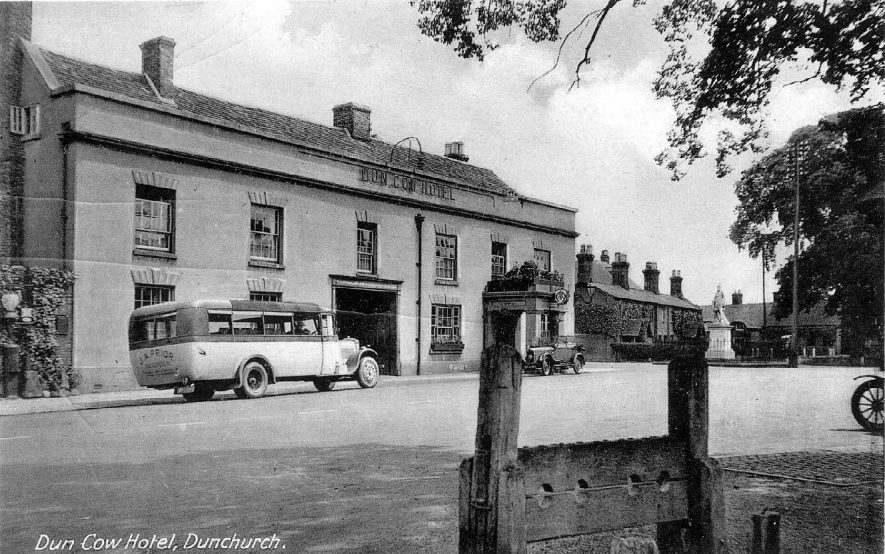
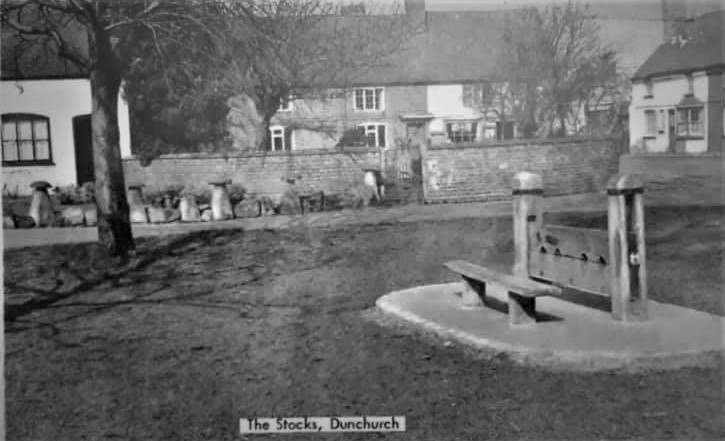
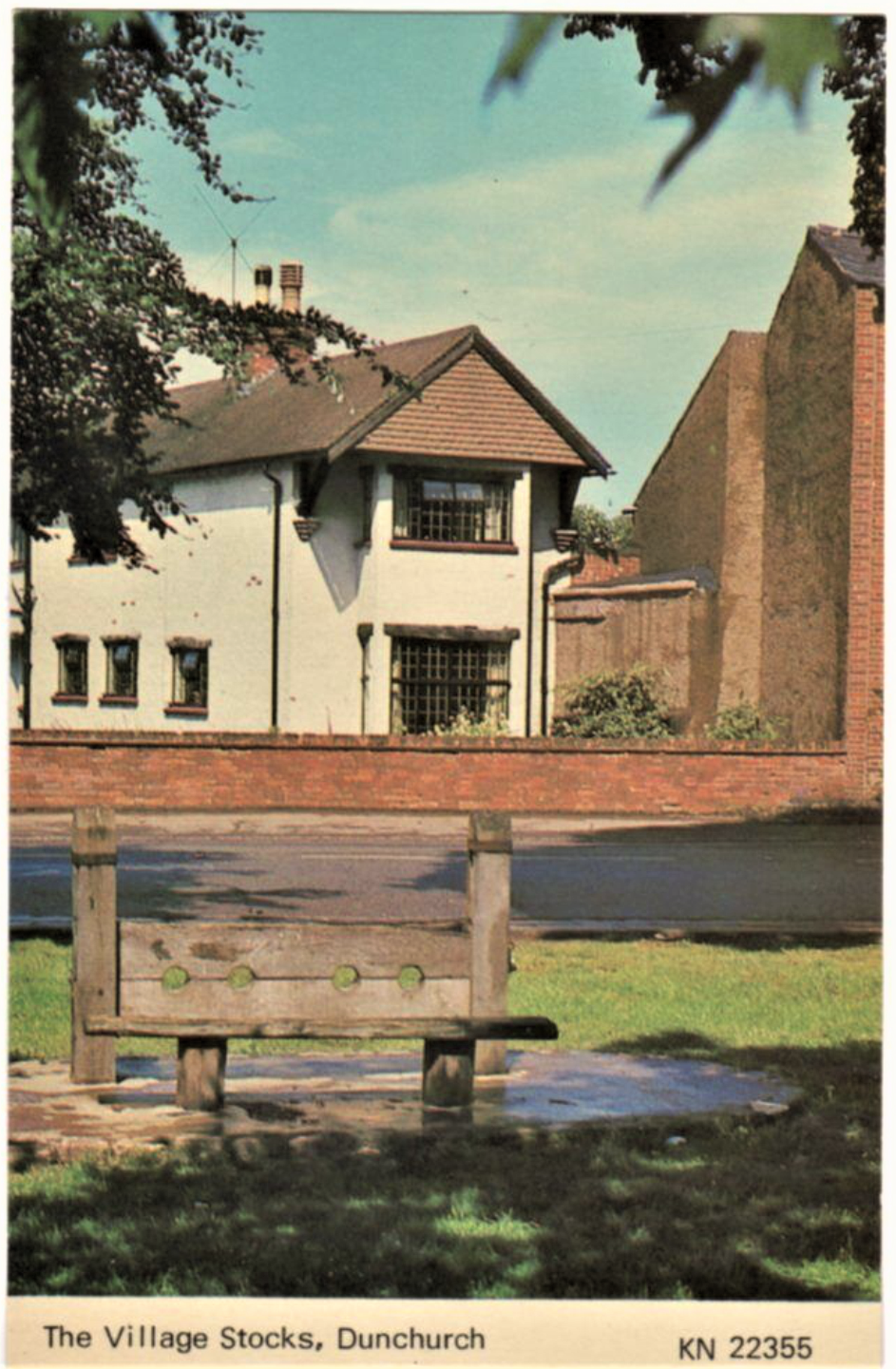
Stocks and pillaries have been in use for more than 1000 years. They were used as a punishment from the Middle Ages up to the eighteenth century. In 1405 a law was passed that required every town and village to have a set of stocks, usually placed by the side of a public highway or village green. Stocks were a status symbol for smaller communities. If a town was too small or could not afford stocks that town was regarded as a hamlet and could not call itself a village. The pillory was only abolished in England around 1837. Stocks were never formally abolished and were used until around 1870. People who were punished with the use of stocks included travelling musicians, fortune tellers, ballad singers, drunkards, gamblers, revilers, Sabbath breakers, vagrants, wife beaters, unruly servants and petty thieves. Some of the more regular occupants of stocks and pillories were shopkeepers and market stallholders who cheated their customers. For example, giving short change or measure, selling poor quality merchandise. The punishment was often made to fit the crime. A butcher who sold rotten meat would be pilloried with the offending product tied around his neck. An alewife who watered down her beer would have it poured over her head while she sat in the stocks. Often the punishment depended on the mood of the mob. Daniel DeFoe, for example, was put in the pillory for satirizing the government. The crowd brought him food and water and showered him with flower petals.
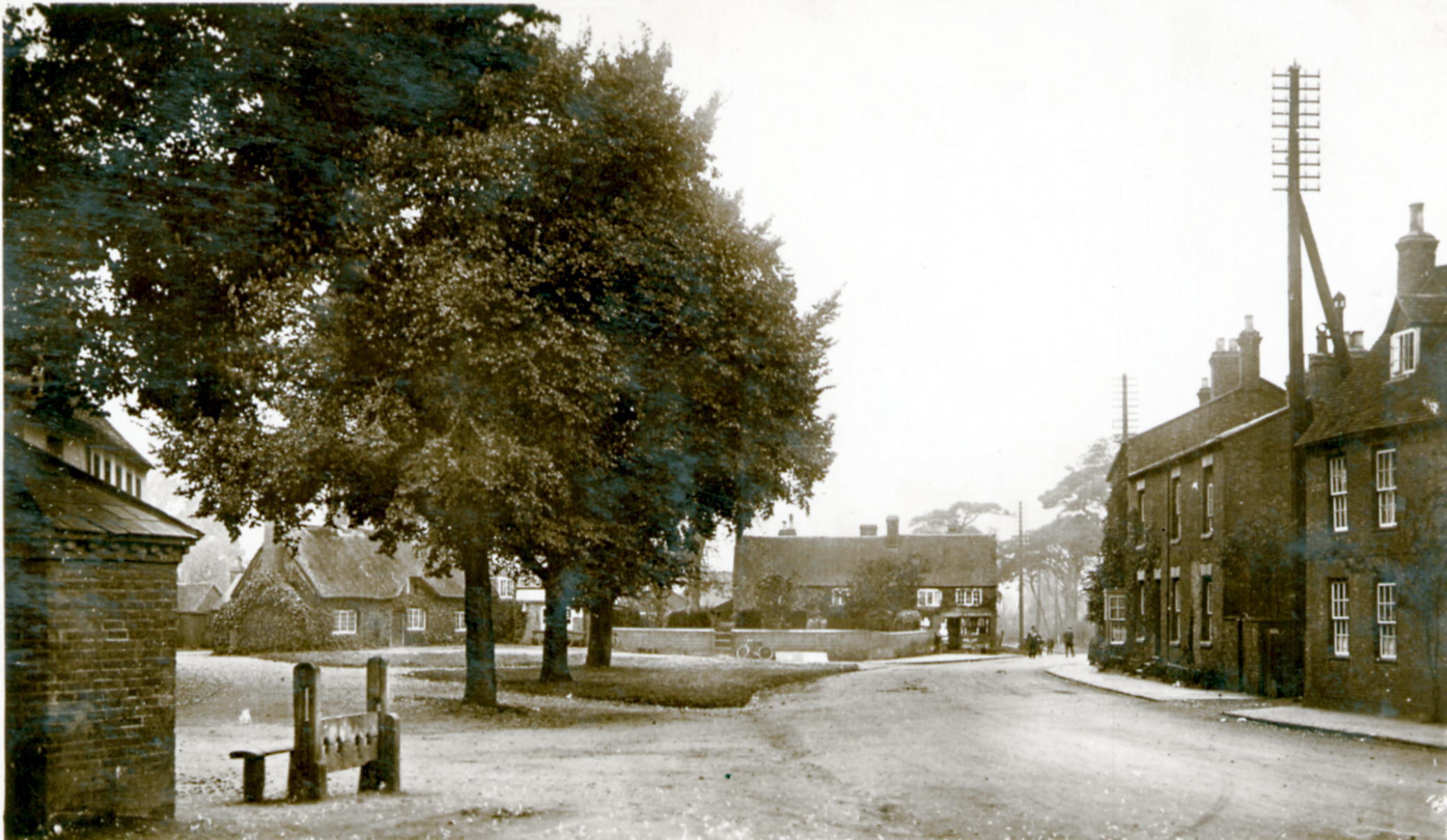
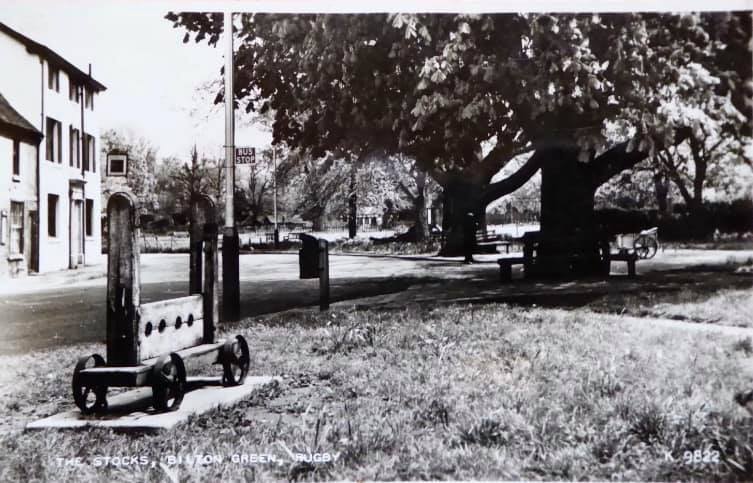
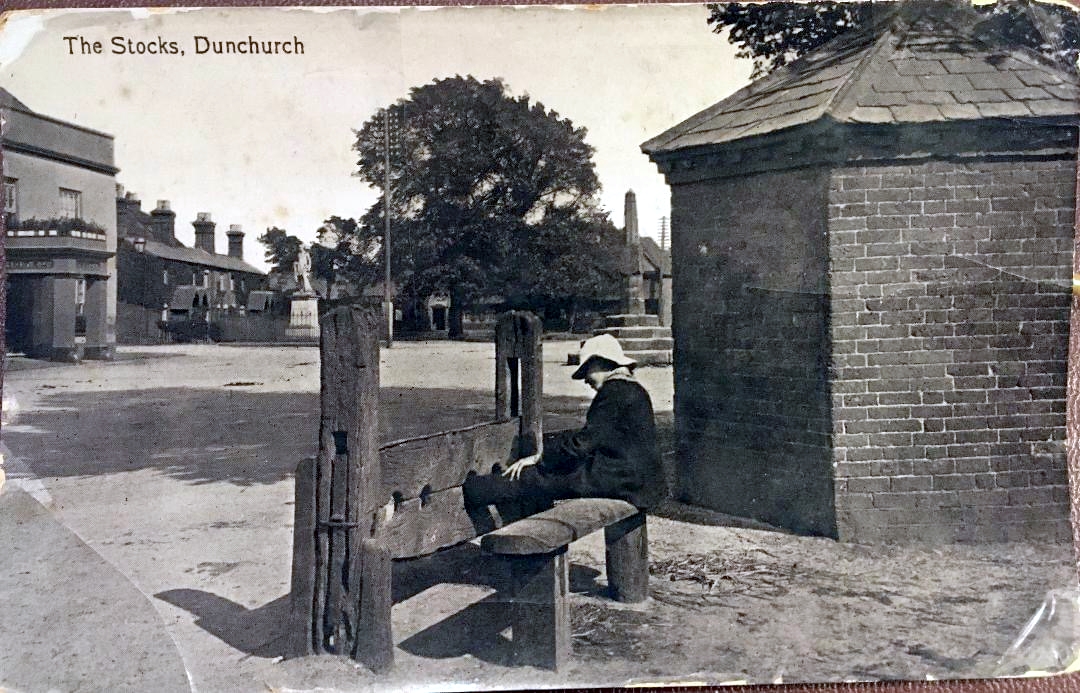
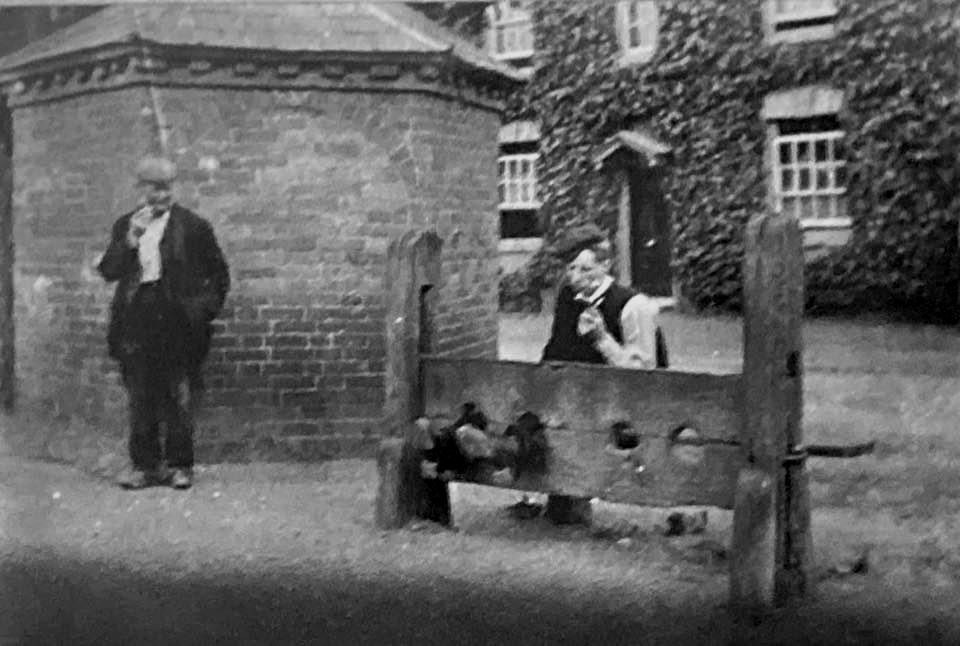
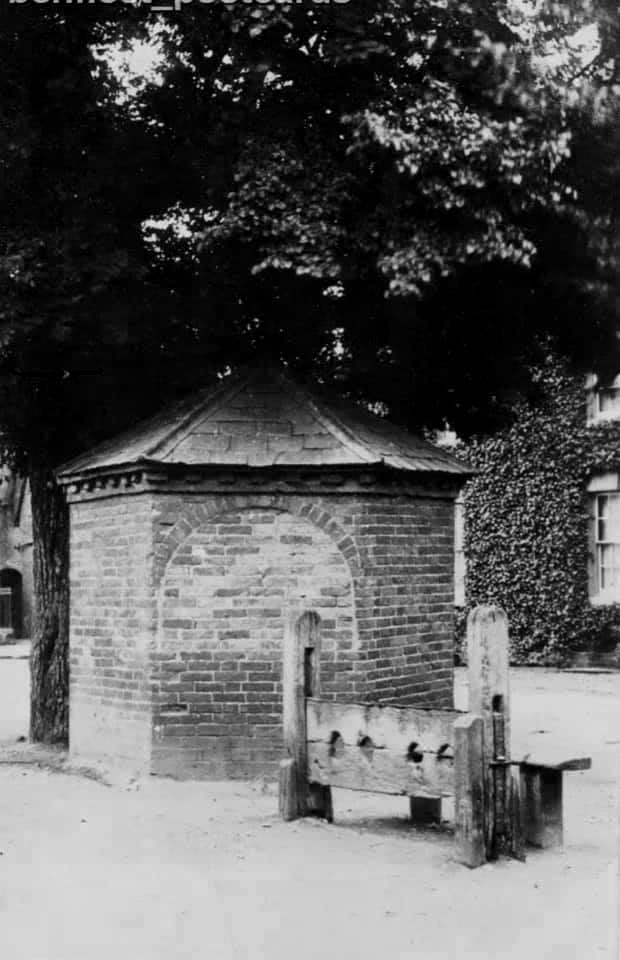

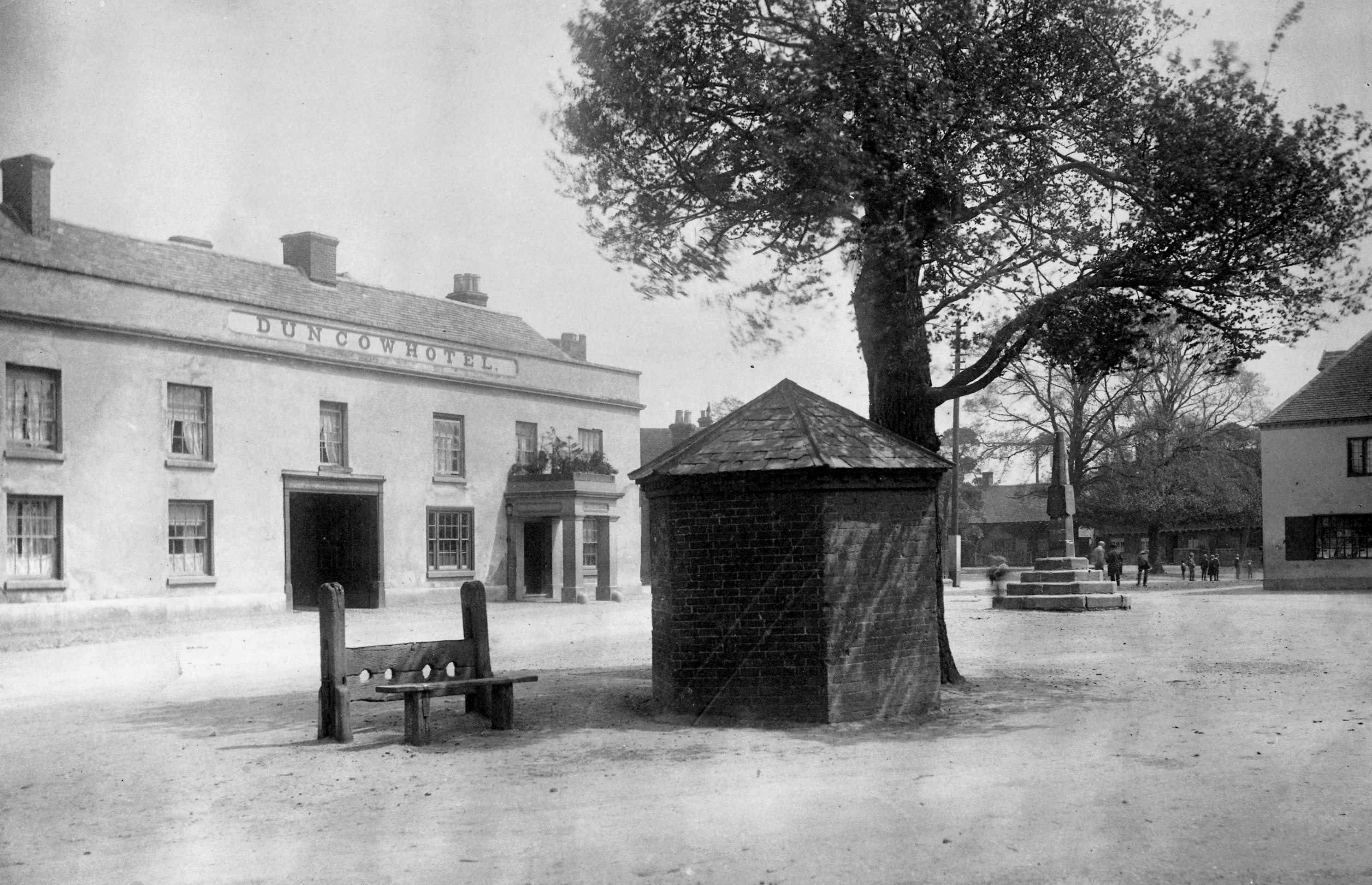

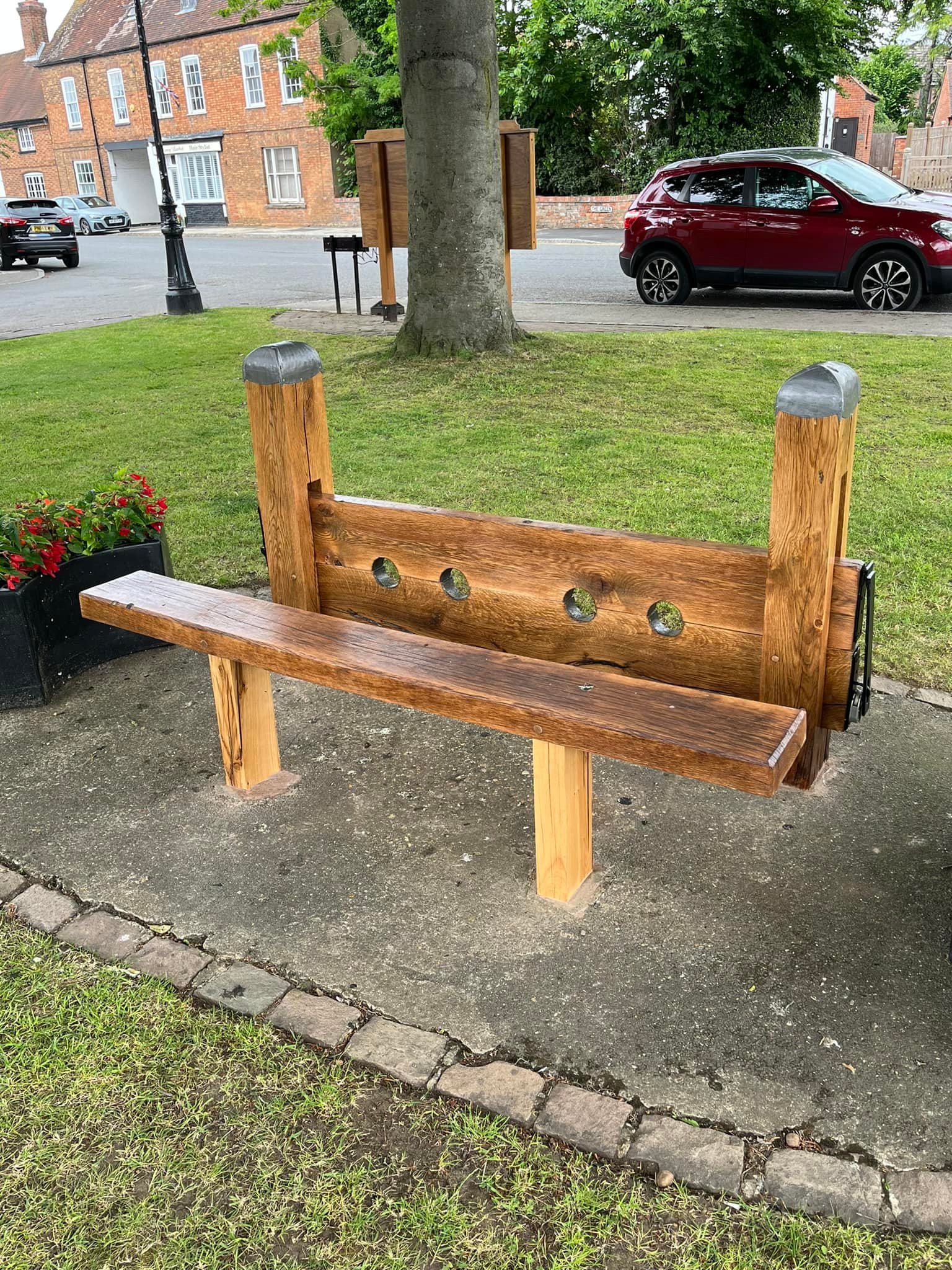
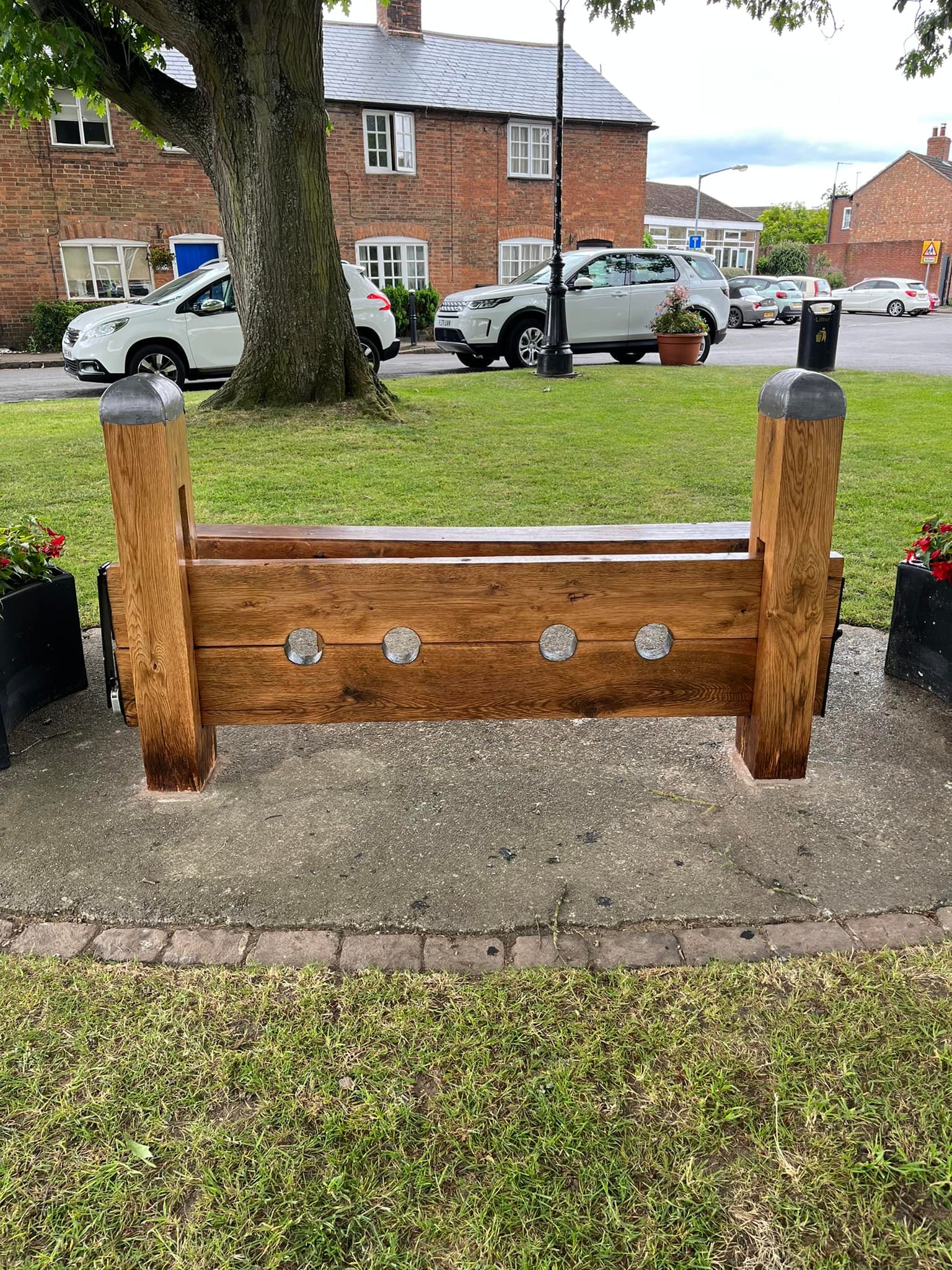
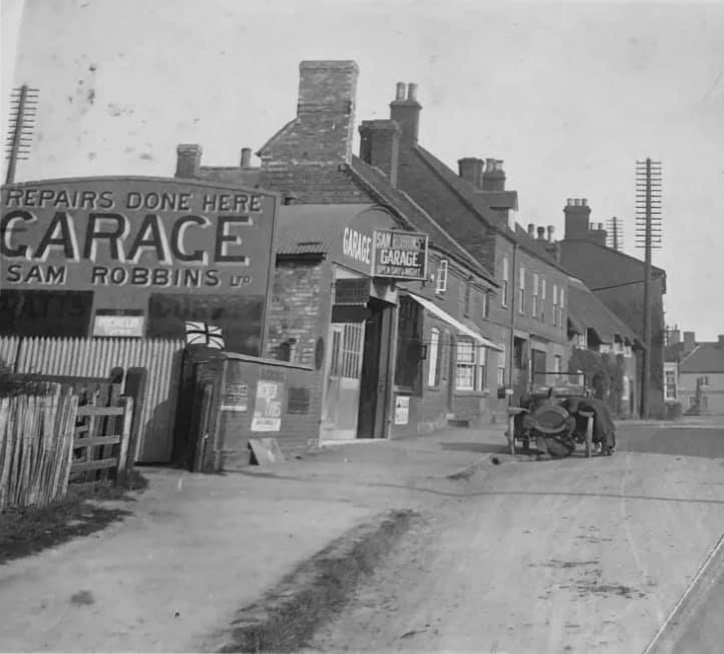
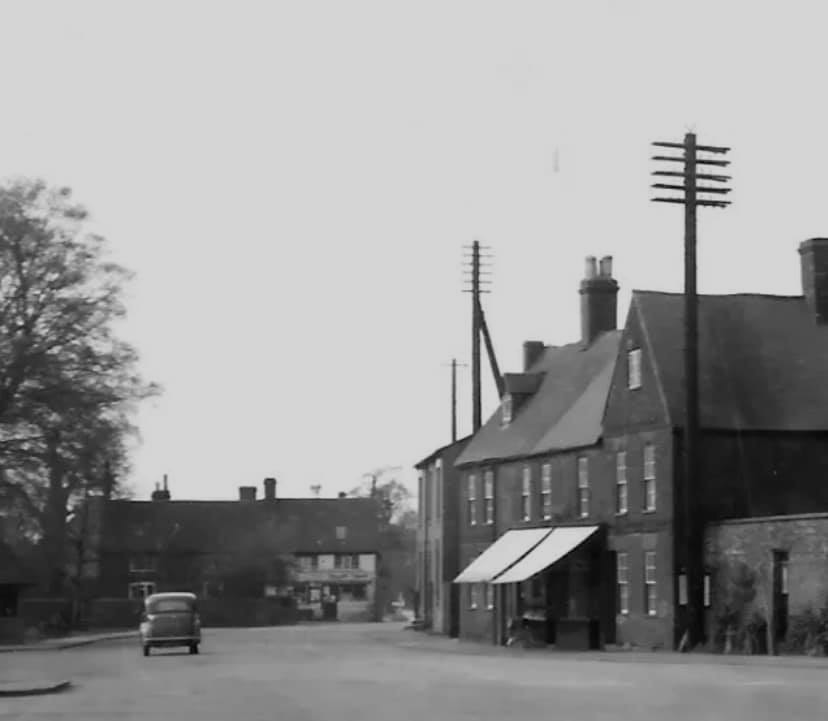
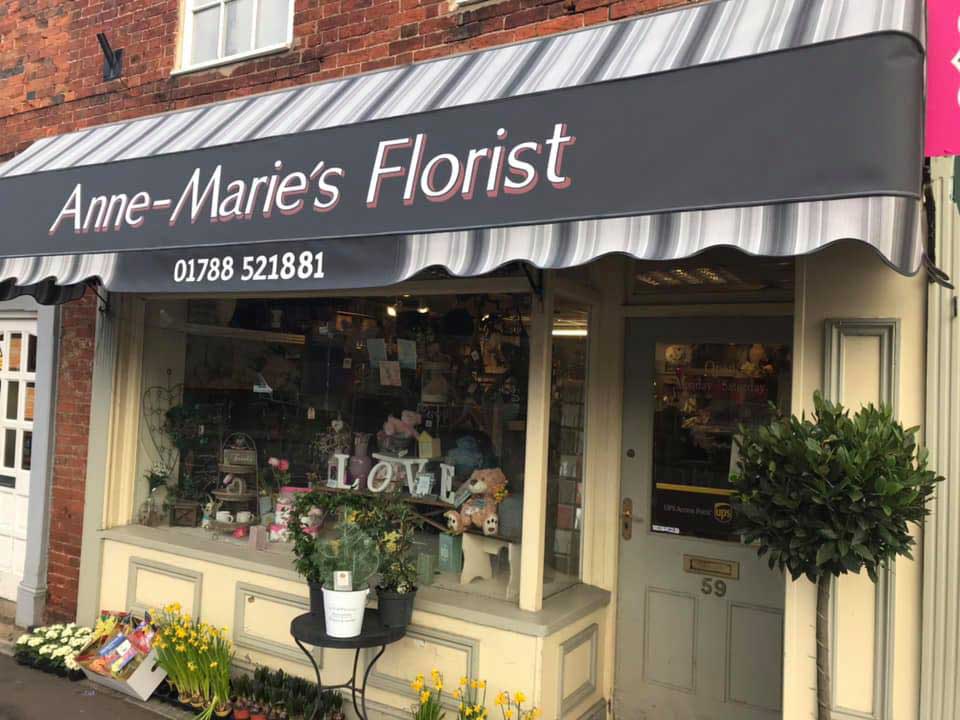
New Canopy 2018 (Anne-Marie)
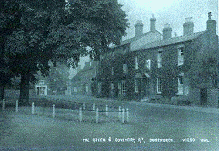
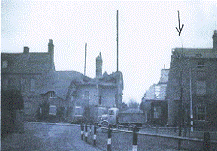
On the evening of 19th November 1940, at the height of the Coventry bombing raids, Dr Edmondson stood at the front door watching formations of German planes sweeping towards the blazing city. The sky was bright with parachute flares and puffs of smoke from anti aircraft salvoes. Suddenly he heard the unmistakable whine of a bomb coming down and threw himself flat in the passage. The bomb hit the house and the blast went over his head and demolished two thirds of the building behind. He was rescued from the wreckage but emerged smiling and immediately went to help rescue men buried in the working-men's club opposite his own shattered house. His wife and two year old son, Philip, and a nurse were in a reinforced old stone meat store at the back which resisted the explosion and were also unscathed. His wife recalled that rather than the blast of the bomb, the worst experience was the subsequent sound of crumbling and collapsing masonry all around. The next morning with the house in ruins and the front door hanging half from its frame, a patient raised the knocker and politely enquired at what time the surgery would be held that day!
Friends of Dunchurch, a charity formed on 6th September 2018 by like-minded residents who love Dunchurch and its heritage and wish to protect and enhance its environment in order to make the village a better place to live in, work in and visit.
CONTACT US
Email: friendsofdunchurch@gmail.com
Village Green House, The Green, Dunchurch CV22 6NX